Start with the application
For drilling and screwdriving in assembly, installation and workshop work. Choose the model around the material, hole size and duty cycle.
Before comparing names and numbers, define the problem the tool must solve. Sound selection begins with the actual application and is then checked against verified specifications for the exact model.
Specify the material, thickness, workload, working location and available power. These turn a broad tool search into a technical decision.
What matters when selecting?
Chuck type
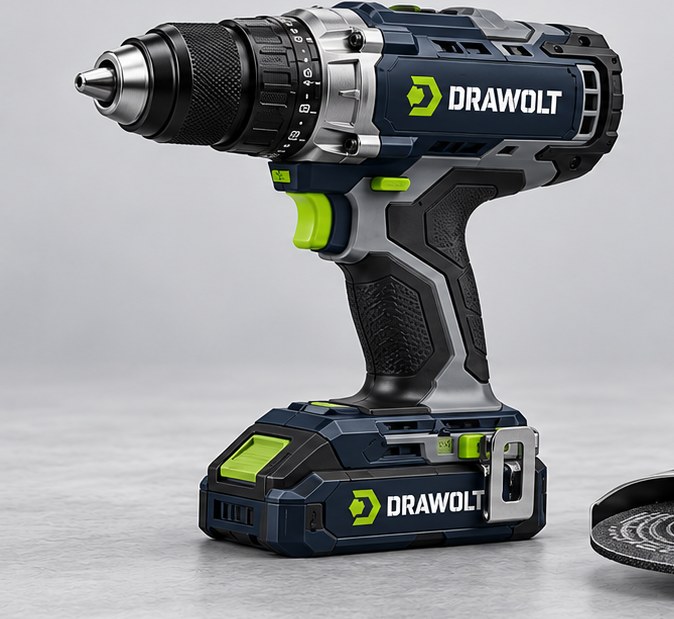
Match chuck capacity and locking type to the bit and working space. A bit diameter alone does not establish drilling capability in every material.
Torque and operating modes
Choose screwdriving, drilling and any available hammer mode around the task. Read torque claims together with the measurement method and operating mode of the exact model.
Battery, charger and compatibility
Identify the battery platform, charger, capacity and included battery count. Compatibility with other batteries must be explicitly confirmed.
Model specifications
Verified model data, available configurations, included accessories and service terms will be listed after confirmation. Share your project requirements for a model review.
Accessories and compatibility
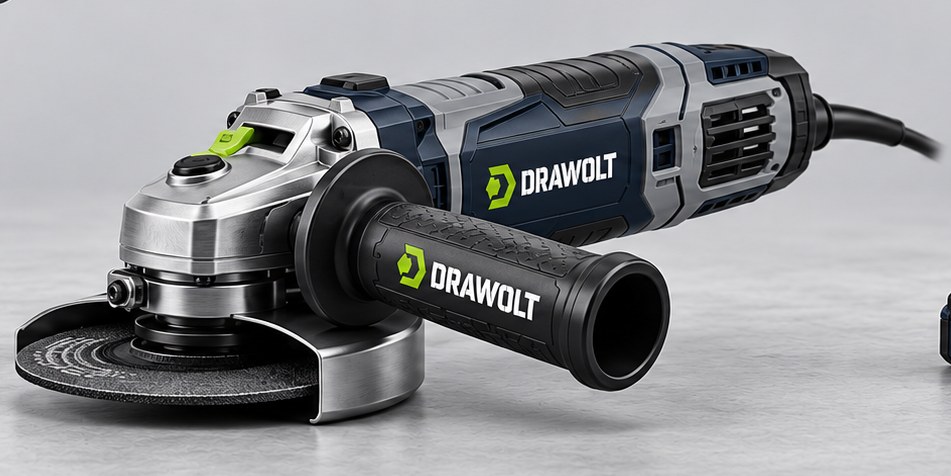
Check attachment type, dimensions, speed rating, input supply and accessory compatibility against the manual for the exact model. A similar appearance does not establish battery, disc or part compatibility.
Professional use
Read the product manual and site procedures before use. Match guards, ventilation and personal protective equipment to the task. Use the tool and accessories only within the manufacturer’s stated limits.