Start with the application
For planning power for tools and equipment at a project site. Calculate continuous load, starting demand, output type and installation conditions separately.
Before comparing names and numbers, define the problem the tool must solve. Sound selection begins with the actual application and is then checked against verified specifications for the exact model.
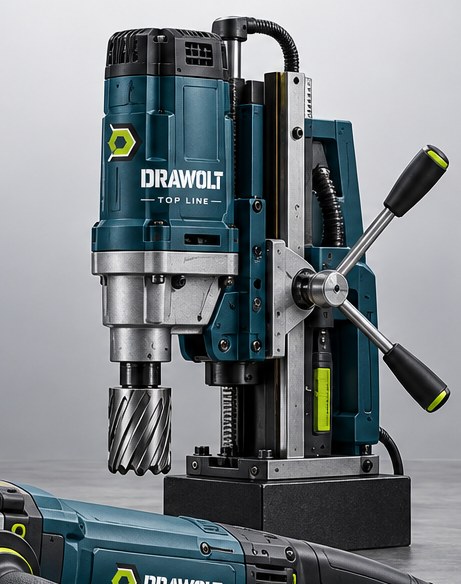
Specify the material, thickness, workload, working location and available power. These turn a broad tool search into a technical decision.
What matters when selecting?
Continuous load and starting demand
Separate continuous loads from starting demand. List devices expected to run together; adding headline ratings alone is not a complete selection method.
Voltage, frequency and output type
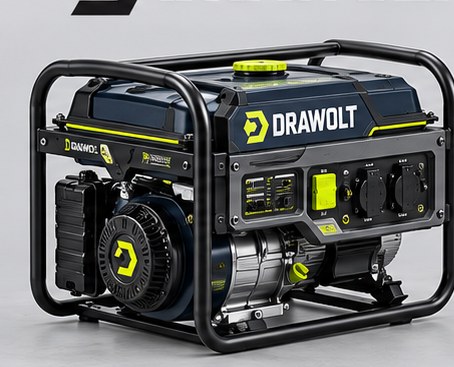
Match voltage, frequency, phase and output quality requirements to verified generator data. Socket shape alone does not establish full compatibility.
Ventilation, noise and location
Combustion generators require suitable outdoor positioning and must not run in enclosed spaces or near air intakes. Electrical connection and site conditions require competent review.
Model specifications
Verified model data, available configurations, included accessories and service terms will be listed after confirmation. Share your project requirements for a model review.
Accessories and compatibility
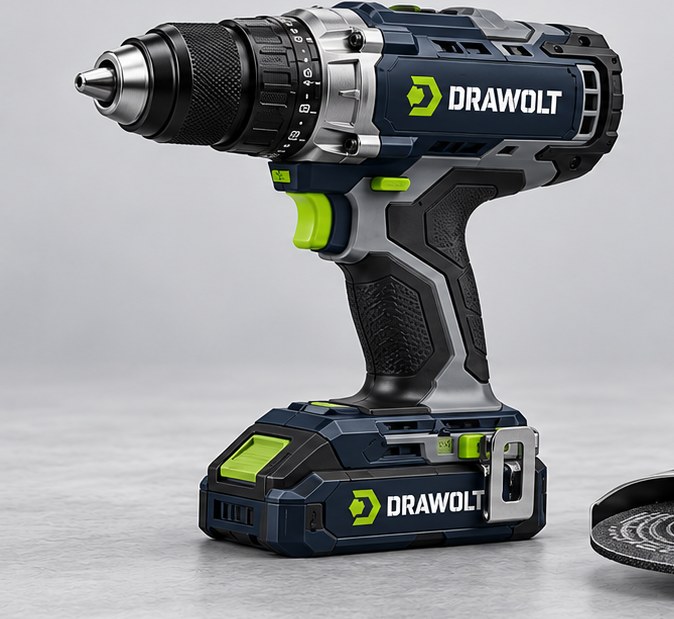
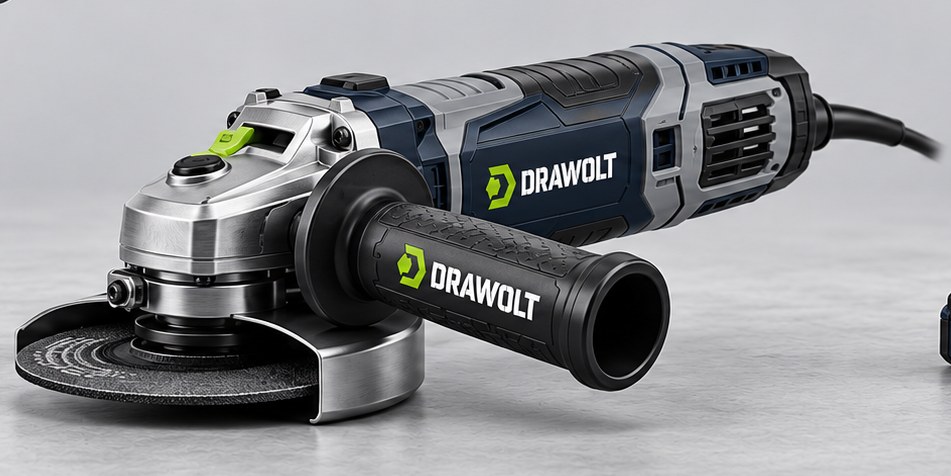
Check attachment type, dimensions, speed rating, input supply and accessory compatibility against the manual for the exact model. A similar appearance does not establish battery, disc or part compatibility.
Professional use
Read the product manual and site procedures before use. Match guards, ventilation and personal protective equipment to the task. Use the tool and accessories only within the manufacturer’s stated limits.